

One of the most exciting things about being part of the world of eCommerce is that things never stay the same for long. Technology, trends, and products are always evolving: and because it’s so easy to open an online store, the competition is always growing.
This is really just the tip of the iceberg for eCommerce, and savvy store owners understand that to succeed, you have to stay on top of the latest developments. As the percentage of consumers shopping online regularly inches higher and higher, here are 6 online selling trends to keep in mind for success in 2019.
The rise of the chatbot

Artificial Intelligence has been in development for some time, and it’s just starting to reach the point where it can be really useful to us: take Siri and Amazon Alexa, for example. AIl now has the potential to positively influence a customer’s online journey in a very real way, through the use of integrated chatbots that deal with questions and complaints.
Already, consumers are starting to feel more comfortable with interacting with machines – partly due to how much time we already spend using messaging apps. With a high (and growing) amount of engagement on apps like Facebook Messenger, conversational commerce looks like it could be here to stay.
Whether the customer is put through to a digital assistant or a human customer service manager, it’s not hard to see why live chat is becoming the preferred method of contact over phone and email. Questions can be answered then and there, while the customer is still in mind to buy.
What does interaction with a chatbot look like? In this example from Slackbot, a website visitor has a question about how to add a guest account.
Slackbot has been programmed to give a comprehensive reply, likely based on the keywords ‘guest account’. Now the visitor has the information she needs right away. It’s natural for there to be limitations at this stage, but the timesaving and conversion optimization possibilities that could be gained from these interactions is still very exciting for eCommerce enthusiasts.
Device distinction

The average household in modern society contains more than 7 connected devices, whether that’s laptops, desktops, smartphones, tablets, or even phablets. It’s a lot, but it’s not all that surprising. We’re all borderline addicted to the internet – but research tells us that we prefer different devices for different activities.
Where this relates most strongly to eCommerce is the distinction between shopping on desktop/laptop and on mobile. While mobiles comprise just over 50 percent of web traffic, studies show that customers don’t feel entirely comfortable about making purchases on a mobile, even though they use them to browse online stores.
It seems to be the case that users will happily use their mobiles to research what they want to buy, before switching to a laptop or desktop to make the purchase. So what does this mean for your store?
It’s the word of the moment: omnichannel. To offer the best experience for your customers, your eCommerce store needs to be well optimized for whatever device it’s being viewed on, whether mobile, tablet or computer screen. With a good responsive theme from a mobile commerce platform, store owners can ensure that visitors are getting a seamless experience across devices.
Understanding customer lifetime value

Just as you would recognize and reward your regular customers if you run a brick and mortar business (or so I would hope), the same principle very much applies to online selling. Today’s consumers have so much choice when it comes to online outlets, so if you’ve managed to get yourself a repeat customer, congratulations – you’ve struck gold! Loyal customers must be nurtured, as over time they will spend 30x more with your company than the average customer.
Customer Lifetime Value or CLTV is a metric used to calculate the value of an average customer at your store. And here’s the tip: you want to increase it.
As discussed in a recent blog post on why CLTV is so important to ecommerce businesses, there are a number of ways to improve customer loyalty. These include offering a true omnichannel experience, creating personalized customer emails, utilizing paid search and making use of targeting and recommendation tools to keep your products fresh in the customer’s mind.
Product recommendations, in particular, are a famous tactic to increase CLTV. Magemail points out some interesting data on how recommendations help increase sales revenue, conversions and some other important micro and macro metrics. Check out their list on 12 product recommendations that can help you convert better and quicker.
To get a better grip on the changing needs of your customers and how to optimize your campaigns, try Wigzo’s machine learning technology.
Data will predict the future

Predictive analytics technology is becoming all the rage with online merchants, due to its ability to gather and analyze huge amounts of data from customer profiles and interactions. Based on this analysis, store owners can gain a deeper understanding of their customers and their shopping preferences, and make lucrative adjustments accordingly.
Through profiling, predictive analysis can group together customers with similar traits and use their habits to predict what a similar customer might buy, which allows for more relevant and successful targeting. Available on various different eCommerce platforms, this promises to be a crucial trend for improving eCommerce conversion rates – particularly in the B2B sector, where customers place much larger orders.
Getting personal

As we are able to capture customers’ data and analyze it accordingly to influence marketing decisions, now is the time to put this information into effect and create campaigns that are hyper-personalized. Smart online store owners know that customization is key: everything from emails down to social advertising, product recommendation and customer discounts can be infused with a personal approach that will make each individual more likely to become a loyal shopper (remember we talked about this?).
If you want to stand out from the swathe of other eCommerce stores on the internet, you need to reach out on a personal level and use your customer’s’ location, demographic and previous shopping habits to persuade and convert. The best CRM systems do this automatically, using the collective data at their disposal. From using the customer’s name in an email to displaying an ad for a product they recently viewed or favorited, personalization will be the key to winning hearts (and sales) in 2019.
Interactive Product Visualization
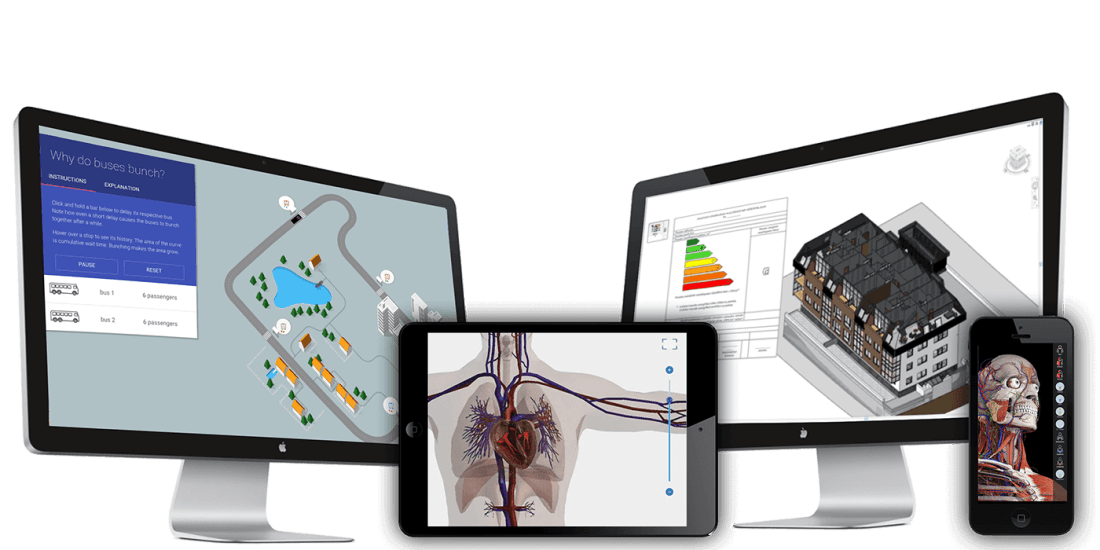
Should that ‘Buy’ button be clicked right away? But one begins wondering–haven’t really understood the quality of this product, is it exactly what I need to buy? Such questions tend to linger on most customers’ minds before they proceed to the next step to make the final payment. Therefore, it arises the need for customers to be able to interact with the product as much as they want to before they commit to purchasing an item. Online reviews and influencers sometimes aren’t enough. Customers want to see the product, feel it and eliminate all that doubt before making the purchase. So, the audience was once satisfied with high-quality product images but today they want more.
Today’s technology lets you use virtual reality, 3D imaging, augmented reality and the likes to be able to interact with products from the comfort of your device screen—laptop o smartphone. E-tailers are increasingly indulging the audience with product videos, evolved to be more engaging and are providing a 360-degree online shopping experience. What this interactive product visualization technology does is that it brings the tangible in-store experience to the online platform and helps eliminate that hesitation before the purchase.
With such low barriers to entry, eCommerce store owners must learn to respond quickly to new trends.


 Personalization