Must-Have Ecommerce Automation Tools

Running an eCommerce store is hard work. There are too many tasks to take care of and not enough time to focus on growing the business.

In many cases, the bulk of the activities comprises of mundane tasks that could be easily automated through tools and platforms. The good news is that eCommerce store owners and managers now have access to a wide range of marketing and store automation tools that handle the repeat tasks very effectively.

The real challenge is that there are just too many tools to choose from. To help out the readers, I have selected the following essential eCommerce automation tools that add great value to the holiday season store management activities.

1. OptinMonster
optinmonster new screenshot

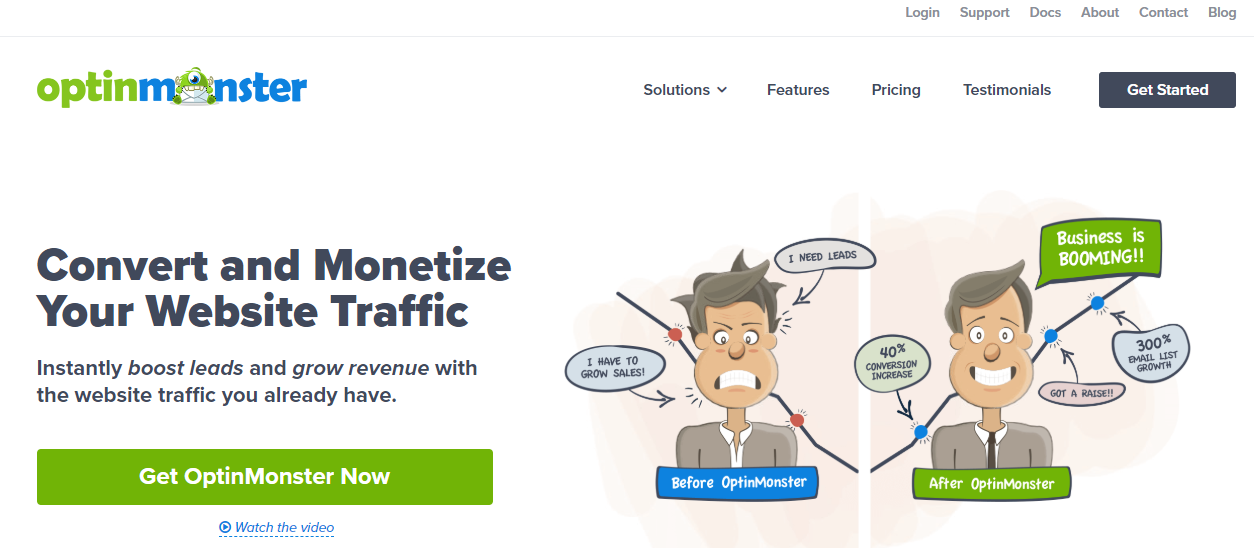
According to many experts, OptinMonster is the most powerful conversion optimization and lead generation tool available today.

Using the tool’s full-screen Welcome Mats, exit-intent popups and scroll boxes, you can drastically boost store conversions and gain more subscribers. This eCommerce marketing automation tool could redirect visitors to specific pages as decided with the tool’s behavior detection rules.

Store owners could use OptinMoster to retarget abandoned carts by offering special discounts that intend to reduce the cart abandonment rate. Similarly, this eCommerce marketing automation tool used to generate and manage store subscribers effortlessly.

2. MailChimp

mailchimp new screenshot

MailChimp is one of the leading eCommerce automation tools that are very popular for setting up and managing email campaigns. Using the builtin campaign manager, store owners can easily create and launch email campaigns. The marketing automation functions help stores attract new visitors and follow up with current customers through targeted emails.

The best aspect of MailChimp is its easy integration with all popular eCommerce platforms including WooCommerce, Shopify and Magento.

In addition to email management, MailChimp is of the ideal marketing automation tools for setting up and managing ads on all major social media channels such as Facebook, Twitter, and Instagram.

3. Zendesk
zendesh new screenshot

Zendesk is a powerful CRM solution that takes care of almost all aspects of customer relationship management. Using this marketing automation tool, ecommerce stores could automate customer relation activities and take advantage of the platform’s data processing capabilities.

The good thing about Zendesk is the close collaboration with the store functions that ensure that the management has complete insights into customer history and association with the business.

4. Google Alerts
google alerts new screenshot

Competitive intelligence is an essential business feature that allows stores to keep an eye on the competition. This way, they are not blindsided by the competing stores when it comes to prices and product range.

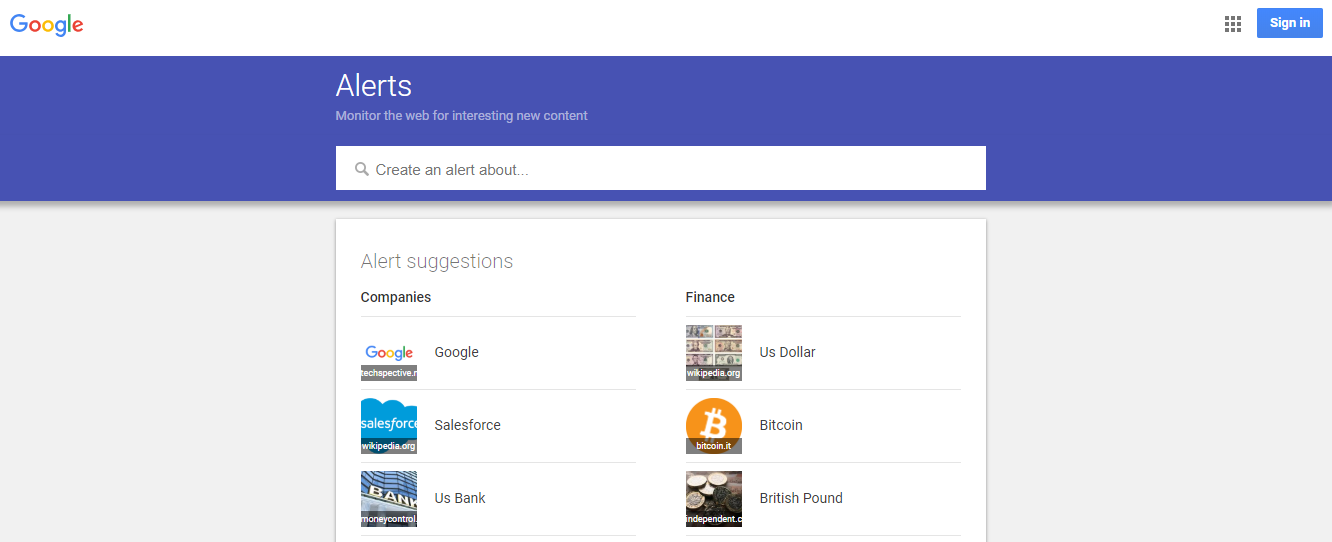
While there are a number of eCommerce automation tools that gather and present competitor intelligence data, I believe that Google Alerts is the store owners’ best friend. And the best thing is that the service is free to use.

All you have to do is to sign up for a Google account and then set up custom alerts for everything from price change to new product addition. You will get an email every time the condition of an alert fulfilled.

In addition, Google Alerts is one of the great marketing automation tools for monitoring the store’s reputation on the Internet. Setting up alerts for brand mentions is a simple but effective way of understanding how the Internet audience views the store’s services.

5. IFTTT
ifttt screenshot

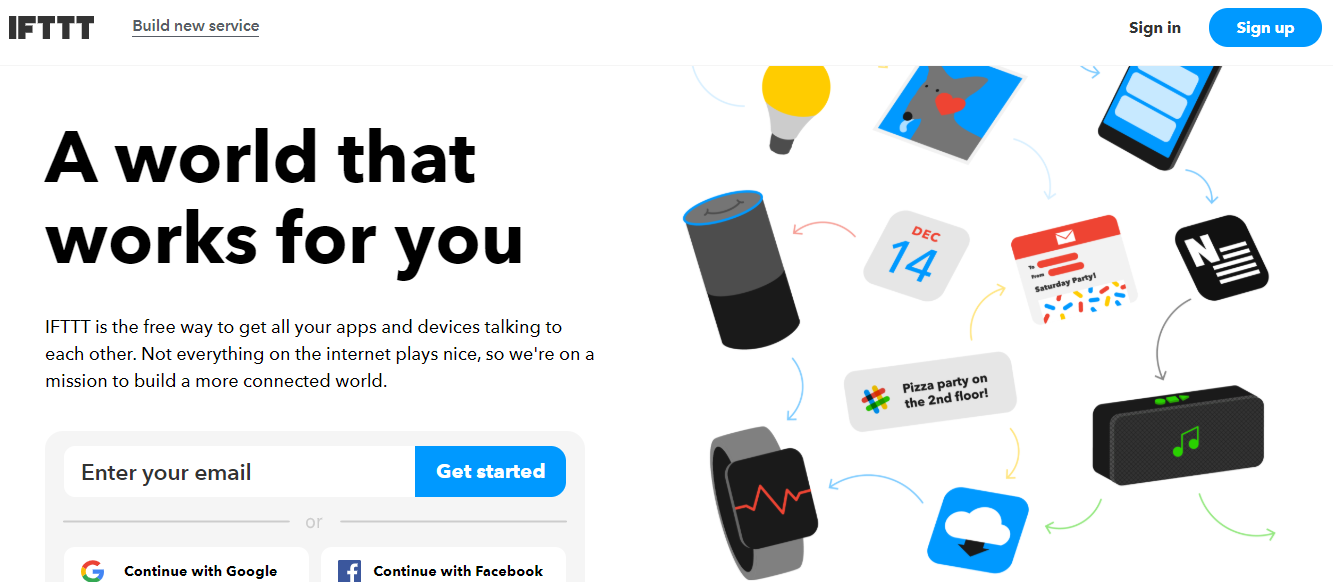
When you talk about eCommerce automation tools, then you can’t ignore IFTTT. It is one of the great marketing automation tools through which you can market your online store products on multiple social channels at a single time. You just have to create a statement that called an applet triggered on the scheduled time to your selected channel.

In addition, this tool allows you to promote your online store on other digital platforms which can help you reach a wider audience. If you’re looking for marketing automation tools for your online campaign, this is a tool is for you.

5 Marketing Personalization Tips to Win Over Customers

Picture this: You’re digging through your mailbox and find a bunch of flyers and advertisements that everyone receives – boring. But in the midst of the pile, you notice a company has sent you a personalized message. The company has addressed you by name and seems to know exactly what you’re looking for; it’s like they read your mind. Which one are you going to read, and which ones will end up in the trash?

You can’t win over customers with broad, impersonal marketing messages anymore. Customers today want and expect more than that. Personalizing your marketing is what will create a positive experience for customers, an association with your brand of trust and value, and keep you relevant in consumers’ minds. In fact, 33 percent of marketers said that personalization will be the most important marketing capability in the future.  

But how do you wow your customers with personalization? Here are five personalization marketing tips to impress customers.

1. Use the customer’s name.

When you’re walking down a busy street and hear your name being called from behind you, what do you do? You turn around and look, of course. Using the customer’s name in marketing has the same effect. In a crowded inbox, consumers are much more likely to pay attention to an email with their name in the subject line. In fact, emails with personalized subject lines are 26 percent more likely to be opened.

Using the names of your customers in your email marketing is also one of the fastest ways to build rapport. Your customers will appreciate receiving emails from you when they feel like you are speaking directly to them. So instead of sending out emails addressed “Dear Valued Customer,” send out a message that opens with “Hey, Joanna! We’ve missed you!” Your customers will not only take notice, but they’ll also feel more connected to your brand and more receptive to your message.

2. Personalize your site’s popups.

Displaying popups on your site can be a really effective way to catch the attention of users and convince them to take your desired action, whether that’s subscribing to your email list or making a purchase, but popups are much more effective when they’re relevant and personalized. If your popups aren’t personalized or don’t relate to what your website visitors are actually interested in, you risk annoying them and won’t see any improvement in conversions.

Personalize your popups for higher conversions by ensuring your popup offer is relevant to the content visitors are already enjoying on your site. For instance, if you offer to coach for Pinterest marketing and Instagram marketing, and a user is only reading your Pinterest marketing content, would a popup that offers an Instagram e-book download interest them? Probably not. Your popup should offer them a chance to download your Pinterest Checklist PDF instead; this way, you are offering them what they want and they’ll be more likely to act.

3. Segment your email list.

Each of your customers and subscribers is unique, with different wants and needs, so why would you send them all the exact same email? Segmenting your email list is essential to getting the results you want from your email marketing campaign. It will allow you to send more personalized emails to users, giving them exactly what they want and need, so you can drastically increase sales.

For example, if you’re a clothing retailer, would you send the male subscribers on your list an email with the latest women’s fashions? You could, but that would be a waste of time. Instead, segment your list based on gender, interests and other demographics to ensure you send emails to shoppers who will be excited to receive them. An email marketing service like Mailchimp will let you easily segment your email list and even includes ready-made segments so you can start personalizing your campaigns right away.

Another great perk of segmenting your email list is recapturing the attention of inactive users. If you segment your list based on people who haven’t visited your site in a while, haven’t bought anything for some time or haven’t used your product lately, you can send them a personalized message to tell them you miss them. This is a fantastic way to reduce customer churn and reinvest users you may have otherwise lost forever in your brand.

4. Send customers personal reports.

Sending out personalized reports is a great way for companies to impress their customers. Reading an email from a company you love, catered specifically to you, is satisfying for a consumer. This tactic is especially effective for SaaS companies; these companies can email personal reports to users that outline their success with the service, including a breakdown of their stats. For example, Grammarly sends its users stats on how many words they typed each week and how productive they were compared to other users.

Even if you’re not a SaaS business, you can still take advantage of personalized reports. For instance, if you’re an e-commerce business, you could send an email to customers about their latest order and recommend new products based on what they purchased. Customers will love the personalized touch and look forward to your valuable insights.

5. Reward loyal customers.

Did you know it costs five times as much to attract a new customer as to keep an existing one? That’s why it’s so important to keep your most loyal customers happy with personalized marketing messages and offers. By analyzing your website data, you can easily see which of your customers are most valuable to your business, which of them buy most often and how much they spend on average. These are the customers you want to really want to impress.

To keep your favorite customers satisfied, you can send them targeted promotions and offer them special discounts to let them know they are valued and encourage them to continue buying from you. If you don’t want to give discounts, you can also show your appreciation by offering your biggest fans early access to a new feature or extra content not available on your website.

A personal touch plays a huge part in winning people over. With these marketing personalization practices, you can position yourself as a devoted company that goes above and beyond for its customers. Start implementing these tips to get better results from your marketing efforts, including a huge boost in sales.

Tips For Successful Email Marketing Strategy

Email marketing is one of the best strategies for promoting products and building a loyal audience. In fact, email has an ROI (return on investment) of 122%, which is 4X better ROI than social media and paid search.

Craft automated follow-up sequences

What do you do when customers abandon your website half-way through the checkout process, or abandon their shopping cart, or leave your website after viewing the pricing page? You get in touch and ask them to come back to your website, of course.

Ask for feedback

No product, service, or business is perfect. Improvement is a massive part of sustaining business growth. When it comes to making your products and services better, customer feedback is the key.

Even the world’s biggest brands like Apple always listen to customer feedback and roll out updates to its software and products to make them better. As a small business, you also have to gather feedback from your customers to find more ways to improve your products and services.

Segment your email list

An important part of email marketing is creating effective email campaigns. This involves sending personalized emails targeting specific audiences in your email list. Like sending specially crafted email promotions to parents or promoting your SaaS products to business owners.

List segments help you create better email marketing campaigns by categorizing your email list into smaller groups. For example, you can create a list segment for the location to create a group in your email list based on the location of your subscribers. Or the job title, age, gender, etc.

Take advantage of transaction emails

Every blog, business, startup, or online store has a transaction email. Whether it’s to confirm a purchase or signup to a newsletter, sending a transactional email is a must for every email personalization strategy.

Instead of making these transactional emails boring and unimportant, you can use it to your advantage to tell your customers and leads about your products and services.

For example, include a link to get a free trial to your software or coupon code in the transaction email to let your customers get a discount on their next purchase.

Use mobile-first email designs

47% of email opens happen on mobile while desktop accounts for only 17%. If you craft your emails only focusing on desktop devices, you’ll be missing out on a lot of engagement.

5 Must-Have Analytics Tools for Your eCommerce Website

Data is as fundamental to an eCommerce business as are its products and services for its customers. Data in the form of metrics throw insights into your business and keep you in check of its progress. Consider it as a narrator, who tells you the accurate story of your customers,  how they are interacting with your site along with figuring out who’s doing what. And that’s why you must invest your time setting up an analytics tool for your eCommerce website before anything else.

Talking of analytics tools,  there is an abundance of them in the market that can help you fine-tune your sales messages,  figure out the quality of traffic on your website along with studying your customer personas. However, if you’re bewildered about using the best analytics tool for your business, we’re here to your recure.

Top 5 Analytics Tools for eCommerce

1) Google Analytics

You can’t go without google analytics for your eCommerce store. It’s free, easy to use and with Google-free demo account, you can get your hands on the tool before you implement it on your website. Google analytics also comes with a search console tool, which makes it an excellent package for eCommerce entrepreneurs. Google Analytics can help you dive down into richer metrics that can be used for decision making in marketing your business.  Here’s what you can look out for:

  • Free tool
  • Custom graphs and reports
  • Enhanced eCommerce analytics
  • Customer lifetime value
  • Conversions
  • Customer Personas\

2) Kissmetrics

Kissmetrics is a comprehensive analytics tool that helps you with advanced reporting for your website. It drills down to an individual level rather than identifying the broad aspects on your website. It enables you to answer important questions like the number of times a customer has checked your site or visited your product page. If your focus is on remarketing and want to identify the channels bringing in the highest ROI, KissMetrics is the analytics tool you must invest your time and resources.

KissMetrics offers:

  • Churn rats of specific campaigns in a single click
  • Identify which campaigns are performing in a single click
  • Find how your website’s design is impacting your conversion rate
  • Customize, segment and preview triggers
  • A/B test design elements

3) Piwik/Matomo

Pickwick is an open-source option for your eCommerce website, now renamed as Matomo. It is directly installed on your server, instead of being hosted remotely. Pickwick empowers eCommerce sellers to be in control of their sites.

  • A completely free alternative to Google Analytics
  • Automated reports about average order value etc.
  • In-depth reports based on geolocation and marketing channel
  • Hassle-free integrations with storefronts
  • Events that help in identifying the reason for abandoned carts

4) Hotjar

For an eCommerce business to be successful, it is a must that no decisions are made based on mere assumptions. Hotjar is one tool that is extremely valuable to modern online merchants and helps in improving the click-through and conversion rates of their websites. With Hotjar you can view heatmaps of your website along with real-time recordings of your visitors. Hotjar lets you:

  • Find out whether your visitors are clicking your CTAs
  • Analyze which content or offer is keeping them engaged
  • View heatmaps and recordings
  • Identify key areas of improvement

5) Woopra:

There’s one thing that every eCommerce entrepreneur wants- customers spend money instead of bouncing. And the best analytics tools make sure that this dream does turn to reality. Woopra is one such advanced analytics tool that targets abandoned carts. It might be something related to your pricing or more number of steps during the checkout process, Woopra can help you identify everything. Here’s what you can do with Woopra;

  • Reduce abandoned carts
  • Work on the concept of checkout success
  • Identify how shipping and payment impact rate of abandoned carts

How to Reduce eCommerce Bounce Rates

here are many resources for making businesses successful, especially online, including but not limited to social media, search engines, paid adverts, listing sites, and well, internet users.

But not every business thrives, especially on the internet. For eCommerce stores, one contributing factor is a high bounce rate.

What exactly counts as a bounce rate? A bounce rate is actually a combination of several factors, though every time someone visits your store but doesn’t make a purchase, it’s fair to say the person bounced. So the bounce rate is the percentage of people who leave your website after visiting a particular page.

A high bounce rate can be disastrous. It affects your page’s ranking because Google automatically assumes the content on the page doesn’t make sense, after all, if people are leaving in droves when they visit the page. I’m sure you can already see how much this would hurt an eCommerce store.

Here are some useful personalization tips to reduce the eCommerce bounce rate.

1. Segment your email list

Email segmentation is a valuable personalization tactic that cuts across all industries. That is, you can use email segmentation whether you’re in real estate, software, retail, entertainment, or any other industry for that matter.

Segmentation simply means grouping your email subscribers by their preferences, behavior, geography, demographics, or their interests.

2. Segment your visitors/shoppers

Segmenting folks on your email list is one thing, but segmenting your visitors shouldn’t be ignored either. Again, this has a broad spectrum, and you’re limited only by your imagination. I’ll give you some examples.

If you run an international online store, you can segment visitors by location. Serving visitors content based on their location is called “geo-targeting.” For example, if you run a clothing business, it is impractical to show visitors from West Africa different types of winter coats, since they do not experience cooler weather.

3. Optimize product pages for SEO

Your eCommerce store’s product page is almost literally the most valuable page on your eCommerce site. Optimizing it for SEO is important especially if many of your visitors are coming from search engines. One of the best ways you can enhance your store’s SEO is by using rich snippets.

4. Streamline the shopping experience

You’d think this is conventional wisdom, but you’ll be surprised how many eCommerce stores inadvertently make the shopping experience difficult for visitors or shoppers.

study has shown that 11% of cart abandonment happens because shoppers see the checkout process as too complicated. Some industries experience cart abandonment as high as 83.6% according to this chart from the Sales Cycle.

5 Best Shopify Apps To Scale Your eCommerce Store in 2020

Running an eCommerce website is a whole lot of different from running a personal blog. There’s a lot more to pay attention to, including email segmentation, secure checkout, shipments, running ads, and speed optimization, etc. Here, we’ve put together a list of some of the best Shopify apps to help you manage your eCommerce store and add new functionality.

Best Shopify Apps

1. TrustPulse

TrustPulse works to leverage social proof and builds trust with visitors to your site by showing a small popup notification of real-time activity other users have taken while on your site.

Shoppers are more likely to trust recommendations from other shoppers over advertisers (92% more likely, in fact!) when it comes to purchasing decisions. With TrustPulse, you can use real activity from real people to increase your site conversions by up to 15%.

2. Candy Rack

Candy Rack is one of the best upsell/cross-sell Shopify apps available on the market. And, if you’re not upselling or cross-selling your customers, you’re leaving money on the table.

Upsells are offered via a non-intrusive popup on the product page that’s shown after the shopper clicks on the Add to Cart button. The popup uses a tree layout so each upsell or cross-sell looks like an add-on to the parent product.

Besides the unique approach to offer upsells, Candy Rack also provides a lot of extra features like true upsells (upgrades), auto-upsells (based on the Shopify Product Recommendation API), and design/messaging customization.

3. Referral Candy

Did you know that every happy customer will tell nine more? So, if you’re not finding a way to get referrals, you’re missing out on sales.

Referral Candy is one of the best Shopify apps to give your customers incentives to refer their friends. You can choose the reward of your choice for unlimited referrals.

The Referral Candy system includes automatic reward delivery and referral reminders, as well as a dashboard where you can track referrals. This app starts at $49 per month.

4. Smile.io

Whether customers stick to one brand or not, loyalty programs can be a huge draw. Customers enjoy engaging with brands, as well as the personalized service and rewards that come with these programs.

With Smile.io you can offer a loyalty program on your Shopify store to create more loyal customers who boost your bank balance with repeat purchases.

Smile.io lets you issue reward points based on creating accounts, sharing products on social media, following your brand, and more.

5. Plug in SEO

Plug in SEO is our pick for one of the best free Shopify apps because it helps you find, troubleshoot, and fix search engine optimization (SEO) issues so you can get more web traffic to your online store.

This free app automatically checks for issues with page titles and descriptions, structure, speed, and more. It includes code snippets you can use to fix any issues yourself.

If you need additional features, like bulk editing, structured data support, and multilingual SEO, you’ll need to upgrade to the pro version of the app, which is $20 per month.

Conclusion

Now that you know the best Shopify apps to increase sales, why not get even more sales from your store with a successful email marketing campaign? You can also improve store promotion with these promotional email examples. And, check out our tips on Shopify abandoned cart recovery to boost your revenue.

4 Future Trends in eCommerce Personalization

Ecommerce personalization has been the hottest trend in customer engagement for a while now. Many consumers can hardly remember what it was like to visit a website that didn’t use at least some degree of this method to better engage with them.

But we’ve barely even scratched the surface of what eCommerce personalization can do.

In fact, you will soon see four ways it’s going to redefine websites – once again – in the very near future.

4 Things to Expect from Ecommerce Personalization in the Future

1. Automation to Support Omnichannel Engagement

Marketing Automation and personalization are largely inseparable. You can’t have the latter without the former.

In the future, automation will become even more important, though, thanks to the growth of omnichannel marketing.

When The Harvard Business Review looked at the behavior of 46,000 shoppers between June 2015 and August 2016, they found that:

  • Only 7% shopped solely online
  • Only 20% shopped solely in-store
  • 73% used multiple channels

Omnichannel marketing is the future, but the only companies that will be able to leverage it will be the ones that can properly utilize automation to offer personalization across all channels.

2. Tailored Deals and Personalized Pricing

Shoppers don’t just differ on what they want to buy. They also differ in what they’re willing to pay.

Traditionally, companies have had to study the array of prices they can charge and pick the ones that give them the most profit, even though it means turning away many potential customers.

That’s changing.

Personalization is showing companies what they can charge individual shoppers.

To some degree, this is already happening. For example, Orbitz used to charge Mac users more – sometimes by as much as 30% – because that demographic tended to have more money. Thus, it stood to reason that they were willing to pay more.

The future will allow companies to drill down into much more granular details, though. This will mean helping more people get the products and services they need at a more accurate price point based on their past decisions.

This approach will also create more attractive bundles and even how promotions are structured for individuals.

3. Inclusion of Offline Data for Ecommerce Personalization

Brick-and-mortar stores don’t have to miss out on the personalization revolution, either. They can use this powerful method to integrate their online and offline customer experiences.

The clothing line Sportsgirl has become a trailblazer in this sense by offering an app that utilizes augmented reality. Users can scan clothing items they like in Sportsgirl’s physical catalog or in their actual stores with their phones so they can then purchase them online later.

4. Machine Learning

Personalization can be about a lot more than selling a product or service. Thanks to machine learning, personalization will soon be about anticipating customers’ support needs before they even have them.

Similarly, machine learning will soon change language websites’ use based on the visitor. In the scenario where a visitor needs help, machine learning will allow the site to find the best answers based on the information they’ve provided instead of the stock replies most are able to give now.

If the site knows that a returning shopper is working on restoring their late-model vehicle, machine-learning will be able to recommend the best possible products but also supply them with relevant content to help with the rebuild.

Embracing the Future of Ecommerce Personalization

Ecommerce personalization is already here, so if your company isn’t already utilizing it, that must become a priority.

However, as we just covered, the future of personalization is already well on its way. Those businesses that fail to embrace these advancements won’t be in business for very long. Fortunately, you now know about four methods you can adopt to ensure your company is able to meaningfully engage with customers for years and years to come.

Top 5 Best Shopify Apps to Boost Sales

Not only does Shopify make it easy to sell online, but it also provides what online stores need the most to achieve eCommerce success. The top Shopify apps are a valuable resource for you if you are looking for a solution to boost up your sales, and we know you always are.

You might find it a bit overwhelming to navigate the enormous app store and test over 2,000 apps to find the best ones for your online store, that’s why we’ve separated the gold from the dross for you to find 15 best free Shopify apps. They are your efficient choices to lift up your leads or conversions without having to spend a penny.

Here is the list of 5 best Shopify apps that will keep your store up and grow, at no cost.

Best Free Shopify Apps

1. HubSpot CRM – by HubSpot

HubSpot CRM is everything you need to organize, track, and nurture your leads and customers. And the best part is that it’s 100% free, forever.

The HubSpot Shopify app syncs your online store data into HubSpot and uses it to personalize and automate your marketing campaigns. HubSpot allows you to step up your sales and marketing strategy by sending emails to visitors who’ve abandoned their cart items on your site so you can nurture them toward a purchase.

HubSpot CRM tracks all of your interactions with your customers and all the data associated automatically gets stored in a tidy timeline. This will help you better tailor your approach when reaching out to prospects.

2. Audiencefy

Audiencefy is the best customer segmentation and analytics app for Shopify stores. You don’t need to do any integration. Just install the app and it will build all reports and insights for you. It gives you intuitive and robust reporting to measure your eCommerce store’s health and customer conversion funnel.

It will give you the action-based insights from customers’ buying journey as to WHEN & WHAT did they buy, increase lifetime value (LTV) and customer analytics to eCommerce personalization all at your fingertips.

3. Messenger

Delivering customer service in multiple forms can be tough. The Messenger app makes it much easier since it allows you to interact with customers where they spend lots of time–on Facebook.

You can create canned messages to guide people through the shopping process, while also replying with product information, links, and shipment information.

4.  Product Reviews

The Product Reviews Shopify app is essential because customers can easily review your products. It also allows you to approve them before they go live. The admin is simple and intuitive. It works how you would expect it to. This app has been previously known as Grapevine Reviews.

5. Oberlo

Most of the functionality from Oberlo is completely free. That said, you can upgrade to get additional features.

The Oberlo app is essential for any company interested in dropshipping. The free Shopify app connects to AliExpress, asks you to choose products, then automatically moves those products into your online store. You can change product details, but most of the process is handled by the supplier.

Conclusion

New Shopify apps are created and released all the time. Therefore, it’s fun to see what other free Shopify apps people are getting interested in. Also, feel free to share your thoughts on paid apps as well!


Must-have Marketing Automation Workflows to get you started

A workflow is a series of steps or business processes that are taken to complete a task. The task can vary in size and complexity and can span multiple departments, channels, and functions. Workflows can also lead to other workflows, depending on the fulfillment of conditions.

5 must-have eCommerce marketing automation workflows

Without further ado, here are the workflows every savvy marketer needs to have in their starting playbook. Use the structures we have described below as a launchpad, customizing them to suit your goals within your business context.

1. Welcome workflow

When a user signs up, they become a new contact that has displayed an interest in your company. This is a successful conversion, meaning that the contact has moved from visitor status to a registered contact status. In terms of lead qualification, this contact has displayed clear intent and are therefore they are more open to receiving relevant marketing communication – in fact, subscribers who receive welcome emails engage 33% more with the brand.

Typically, a welcome workflow involves an email or a series of connected emails. Whichever route you choose, make sure to send an email right away. The current user expectation is that on registration, an email will appear in their inbox.

So what sort of marketing material can be sent to newly registered users? For a start, there is a welcome email with account information, and a positive note expressing thanks. In other instances, perhaps your product has an onboarding process, so a welcome email campaign would then be a great way to ease a customer into the product.

2. Re-engagement workflow

There could be many reasons due to which an interested contact stops interacting with your brand: change of jobs, interests, or locations are just a few. Re-engagement campaigns are meant to remind contacts of the aspects of your brand that they found appealing in the first place, and to reinforce the value proposition of your business. It costs 7 times more to acquire a new customer than to retain an existing one.

Before diving into developing campaigns though, be sure to define what constitutes an inactive contact within the context of your business. Consider overall typical user behavior for your website: does your business attract daily website visits, or is it something used less frequently?

For example, a banking website would send monthly email statements and reasonably expect a customer to log into their account at least once every quarter. On the other hand, an online grocery store would expect customer interaction on their website or app once every 2 weeks.

Then the all-important question: why has the contact become inactive? Finding the reasoning will have ramifications for the re-engagement strategy.

3. Feedback workflow

Customer opinions matter and they provide a great deal of value for a business. Positive feedback can tell you where you are going right, and you can continue on that path, intensifying effort as you go along. However negative feedback is a golden opportunity to view your product or service from an outside perspective and pinpoint areas of improvement. 65% of customers value customer experience over advertising.

A typical scenario for feedback is customer service interaction. How satisfied is a customer with the level of service they received from a support executive? Feedback helps pinpoint areas for improvement. But that is not the only benefit. Customers experience a psychological lift from being given the opportunity to share their experiences. If there was a negative interaction, it is possible to course-correct in time, and thus retain the customer.

Summary

We picked these marketing automation workflows due to their importance in the contract lifecycle, success rates in converting contacts, or by their applicability across industry verticals. The key to retaining customer interest in your brand is to develop campaigns that contain carefully considered engagement techniques, specific to your business.

5 Ways Big Data And Analytics Will Impact eCommerce In 2020

With a wide range of social media websites and apps such as Twitter, Facebook, WhatsApp, many online retailers are creating WhatsApp groups, Facebook groups/pages, Instagram pages for solidifying their online presence. This only means that eCommerce sales, especially in the retail industry are projected to grow by 2021. Having a lot of data at hand makes it easier for businesses to apply customer data analytics in eCommerce, to make a high impact on business decisions.

The impact of Big data analytics on eCommerce businesses is astounding.

5 Ways Big Data and Analytics Will Alter the Face of E-commerce in 2020

Enhanced Shopping Pattern Analysis

Big Data Analytics is a powerful way of understanding a customer’s shopping behavior to predict patterns that will help make better marketing strategies. Customer preferences, most popular brands or products that prospects seek, any product that people are seeing multiple times but is not offered by you, hikes in demands, what time of the year do customers shop more, so on and so forth can be assessed through big data analytics.

Effective Customer Service

The success of any eCommerce business depends on effective customer service. As per a survey by Deloitte, 72% of companies believe they can use customer analytics reports to improve the customer experience. Big Data Analytics will, therefore, help in identifying major issues and help in resolving them and enhancing the processes so that customers enjoy doing transactions online. Businesses then will definitely experience customer delight which will be a big boon to their growth.

Predict future operations plans

Big data analytics gives you greater depth in understanding the overall operations of your business. Using eCommerce analytics helps you manage, inventory, supply chain, forecasting demands, better pricing strategies, and sales strategies. E-commerce will have the added advantage of flexibility in deciding the best ways of operational efficiency across various channels. There may be a scope to learn in this area through various big data eCommerce case studies too.

Increased focus on Micro-Moments

“Micro-Moments” is going to be the latest e-commerce trend and a hot topic of discussion in 2018. Customers generally seek quick actions — I want to go, I want to know, I want to buy, etc and they look at accessing what they want on their smartphones. Ecommerce retailers use these micro-moments to foresee customers’ tendencies and action patterns. Smartphone technologies help big data analytics to a large extent here.

Ease of online payments

According to some eCommerce analysis reports, approximately 7 out of 10 customers prefer mobile websites over mobile applications across devices and 50% of e-commerce sales are made via a mobile platform. This only means that online payments need to be secure and safe for customers. Big data analytics helps in identifying fraud-related activities and any threats to its processes. Big data helps in having various payment options in one centralized platform thus making the payment process easy and convenient for customers.